Camping has a reputation problem. For many people, it still conjures images of leaking tents, forgotten matches, and a long night listening to canvas flap while the wind toys with your patience. In 2026, that version of camping is outdated.
Whether you’re a complete novice or looking for a refresher, this comprehensive Camping 101 guide covers everything you need to know—from choosing your camping style and essential gear to campsite setup, camp cooking, and staying safe in the outdoors. For answers to specific gear questions, check our Outdoor Gear Questions Answered guide.
✓ OTL FIELD GUIDE | 20+ Years Backcountry Experience | 50+ Camping Trips
📅 2026 UPDATE:
We’ve updated this guide with the latest gear recommendations and tested everything across 200+ Northern Michigan trips. For a quick visual breakdown of what to pack, watch the video below.
Before you buy any gear, you need to know what kind of camping you’ll be doing. Your camping style determines everything from your gear list to where you can go. For those interested in more rugged experiences, our Backpacking 101 guide covers extended trips in detail.
🚗 Car Camping (Frontcountry)
Best for beginners, families, and anyone who values comfort. You drive to your campsite, park nearby, and set up within walking distance of your vehicle. This is the most accessible form of camping and requires the least specialized gear.
What makes it great: You can bring coolers, camp chairs, large tents, and even portable power stations without worrying about weight. Most car camping sites have amenities like bathrooms, fire rings, and picnic tables.
Perfect for: Families, first-timers, weekend trips, and anyone who wants to bring “creature comforts.”
🥾 Backpacking (Backcountry)
The purest wilderness experience—but it requires preparation. You carry all your gear in a backpack and hike to your campsite, often miles from the trailhead.
What makes it great: You’ll experience remote landscapes, solitude, and a deep sense of self-reliance. Every ounce matters—gear is ultralight, food is dehydrated, and there are no amenities.
Perfect for: Experienced campers, fitness enthusiasts, and those seeking solitude. Not recommended for first outings.
🏕️ RV & Van Camping
Camping with a moving cabin. Whether it’s a converted van, camper van, or full-size RV, this style delivers comfort on the road with beds, kitchens, and often climate control. For power needs on the road, see our Portable Power Station RV Guide.
What makes it great: You can bring almost anything, stay at RV parks with full hookups, and wake up to a different view every morning. In 2026, rooftop tents have also become increasingly popular, turning even small vehicles into self-contained sleeping spaces.
Perfect for: Road trippers, families wanting comfort, and anyone who doesn’t want to sleep on the ground.
⛺ Tent Camping (Walk-in)
The sweet spot between car camping and backpacking. You park in a lot and carry your gear a short distance (100-500 meters) to your site. You get a more secluded feel without the heavy pack weight.
What makes it great: Quiet, more private than drive-up sites, but still accessible. Many state and national parks offer walk-in sites.
Perfect for: Couples, small groups, and campers wanting a step up from car camping.
Essential Camping Gear: The Complete Breakdown
The right gear makes camping enjoyable. The wrong gear makes it miserable. Here’s exactly what you need for a comfortable first trip. For a deeper dive into specific gear recommendations, check out our Best Camping Gear 2026 guide.
Headlamps keep your hands free. A lantern lights up the whole campsite. Bring extra batteries.
Power
Portable Power Bank or Power Station
For weekend trips, a 10,000-20,000mAh power bank handles phones. For longer trips or CPAP/fridge needs, a portable power station is game-changing. See our Best Portable Power Stations for Camping guide for recommendations.
Don’t rely solely on your phone. Paper maps don’t run out of battery.
First Aid
Comprehensive First Aid Kit
Include bandages, antiseptic, pain relievers, blister care, and any personal meds.
Fire
Waterproof Matches + Lighter + Fire Starter
Even in wet conditions, you need to be able to start a fire.
Multi-Tool
Swiss Army Knife or Leatherman
Incredibly versatile for repairs, food prep, and emergencies.
Emergency
Emergency Blanket, Whistle, Signal Mirror
Lightweight items that can save your life if things go wrong.
👕 Clothing & Personal Items
Category
Essential Item
Beginner Tip
Layers
Base Layer (wool/synthetic), Mid Layer (fleece), Outer Layer (waterproof/windproof)
Cotton kills—it stays wet and cold. Stick to wool and synthetics. For cold weather trips, our Fall & Winter Camping Guide has detailed layering advice.
Footwear
Hiking Boots/Shoes + Camp Shoes
Break in boots before your trip. Camp shoes (like Crocs) are a luxury after a long day.
Extras
Hat, Gloves, Sun Protection (sunscreen, sunglasses), Insect Repellent (with DEET)
Spring’s wet weather creates a breeding ground for mosquitoes and ticks—don’t skip repellent.
Pro tip: Lay everything out before you pack. Take a photo. You’ll thank yourself later.
How to Set Up Camp: Step-by-Step
🏕️ Arrive Early, Set Up Right
Arriving in daylight gives you plenty of time to pitch your tent and get organized without the stress of working in the dark.
1. Choose Your Tent Site Wisely Look for flat, high ground (avoid low spots where water collects). Clear away rocks and sticks. If using a tarp, place it under your tent to protect the floor.
2. Pitch Your Tent Lay out your tent body, assemble poles, and thread them through the sleeves. Stake out the corners first, then attach the rainfly. Stake out guy lines for extra stability in wind.
3. Set Up Your Sleep System Inflate sleeping pads, arrange sleeping bags, and set up your pillow. Keep items you’ll need at night (headlamp, water) inside the tent.
4. Organize Your Camp Kitchen Set up your stove on a flat, stable surface away from the tent. Organize food and cooking supplies. Set up a handwashing station with soap and water.
5. Create a Camp Living Area Set up camp chairs around the fire ring. Hang a lantern for ambient light. Establish a “food zone” away from your sleeping area (especially in bear country).
Camp Cooking 101: What to Eat & How to Cook It
🍔 Meal Planning for Campers
Plan your meals in advance and pre-prep ingredients at home. This saves time, reduces waste, and means less to pack.
Breakfast Ideas
Oatmeal with dried fruit and nuts
Pre-made breakfast burritos (wrap in foil, reheat)
Eggs + bacon (if you have a good cooler)
Pancakes (pre-mix at home)
Lunch Ideas
Sandwiches or wraps
Tortillas with peanut butter and jelly
Hummus with veggies and pita
Tuna or chicken salad pouches
Dinner Ideas
Foil packet meals (veggies + protein + seasoning, cooked in coals)
Campfire cones (fill waffle cones with fruit, chocolate, marshmallows, wrap in foil)
⚠️ What NOT to Bring Camping
Glass bottles: Heavy and dangerous—broken glass in nature is impossible to fully clean up.
Scented items: Perfumes, scented lotions, and toiletries can attract wildlife. Keep them in sealed containers.
Excessive clothing: Pack versatile, quick-dry layers—not your entire closet.
Expensive jewelry/valuables: Leave them at home. Focus on the experience.
Fireworks: Illegal in most parks and a huge wildfire risk.
Wilderness Safety & Leave No Trace
🆘 The 10 Essentials (Always Carry These)
1. Navigation (map + compass)
2. Headlamp/flashlight + extra batteries
3. Sun protection (sunscreen, hat, sunglasses)
4. First aid kit
5. Knife + repair kit
6. Fire (waterproof matches, lighter, fire starter)
7. Emergency shelter (emergency bivy or blanket)
8. Extra food (at least one day’s worth)
9. Extra water + water treatment
10. Extra clothes (insulation layer)
🌿 Leave No Trace: 7 Principles
Plan Ahead and Prepare: Know the regulations, prepare for weather, and repackage food to minimize waste.
Travel and Camp on Durable Surfaces: Stick to trails and camp on established sites or durable surfaces (rock, gravel, dry grass).
Dispose of Waste Properly: Pack it in, pack it out. Everything. Leftover food, wrappers, toilet paper—all of it.
Leave What You Find: Don’t pick flowers, disturb cultural artifacts, or move rocks/logs.
Minimize Campfire Impacts: Use established fire rings, keep fires small, and burn all wood to ash. Better yet, use a camp stove.
Respect Wildlife: Observe from a distance, never feed animals, and store food securely.
Be Considerate of Other Visitors: Keep noise down, yield on trails, and let nature’s sounds prevail.
Camping 101: Frequently Asked Questions
What’s the best type of camping for a beginner?
Car camping at an established campground is hands-down the best starting point. You’ll have access to bathrooms, water, and help if needed. Your car is right there if you forgot something or need to bail. Start with a one-night trip close to home.
How do I stay warm while camping?
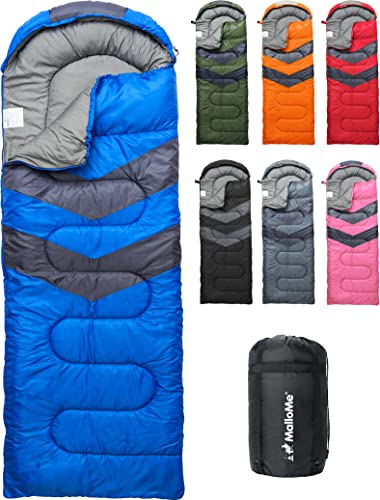
Layers and insulation are key. Use a sleeping bag rated for temperatures 10-15°F colder than you expect. Never skip the sleeping pad—it insulates you from the cold ground. Wear dry wool or synthetic layers to sleep (never cotton). A hot water bottle in your sleeping bag works wonders.
What should I do if it rains?
Be prepared. Make sure your tent has a properly attached rainfly and a ground tarp underneath (but tucked under so it doesn’t collect water). Set up a tarp shelter for your kitchen/living area. Store everything in dry bags or plastic bins. Bring extra socks—dry feet are happy feet.
How do I keep food safe from animals?
Never store food in your tent. In car campgrounds, lock food and coolers in your vehicle. In backcountry areas, use a bear canister or hang a bear bag 100 feet from camp and 12 feet off the ground. This includes toiletries and any scented items.
How do I go to the bathroom while camping?
Use established toilets when available. In the backcountry, dig a cat hole 6-8 inches deep at least 200 feet from water, trails, and camp. Pack out all toilet paper in a sealed bag. Always follow Leave No Trace principles.
Camping in 2026 is more accessible than ever. With the right preparation, gear, and mindset, anyone can enjoy the freedom of sleeping under the stars.
Start small, learn from every trip, and remember: every expert was once a beginner. For more in-depth guidance, explore our Outdoor Explorer FAQ.
📢 Share This Guide:
“Everything you need to know for your first camping trip—gear, food, safety, and Leave No Trace. The ultimate Camping 101 guide for 2026.”
See you out there. 🏕️✨
This guide was last updated in March 2026 with current best practices and gear recommendations.
Outdoor Tech Lab Disclaimer: Based on 20+ years of backcountry experience and 50+ camping trips. Always check local regulations and weather before heading out.
JC Courtland, Outdoor Gear Expert Courtland is the founder of Outdoor Tech Lab with 20+ years of backcountry experience and formal wilderness safety training. Based in Ludington, MI, he personally tests all gear featured on the site to provide honest, real-world insights for outdoor enthusiasts. JC holds certifications in Wilderness First Aid and has professional experience as a satellite communications specialist.
To provide the best experiences, we use technologies like cookies to store and/or access device information. Consenting to these technologies will allow us to process data such as browsing behavior or unique IDs on this site. Not consenting or withdrawing consent, may adversely affect certain features and functions.
Functional
Always active
The technical storage or access is strictly necessary for the legitimate purpose of enabling the use of a specific service explicitly requested by the subscriber or user, or for the sole purpose of carrying out the transmission of a communication over an electronic communications network.
Preferences
The technical storage or access is necessary for the legitimate purpose of storing preferences that are not requested by the subscriber or user.
Statistics
The technical storage or access that is used exclusively for statistical purposes.The technical storage or access that is used exclusively for anonymous statistical purposes. Without a subpoena, voluntary compliance on the part of your Internet Service Provider, or additional records from a third party, information stored or retrieved for this purpose alone cannot usually be used to identify you.
Marketing
The technical storage or access is required to create user profiles to send advertising, or to track the user on a website or across several websites for similar marketing purposes.





Leave a Reply