
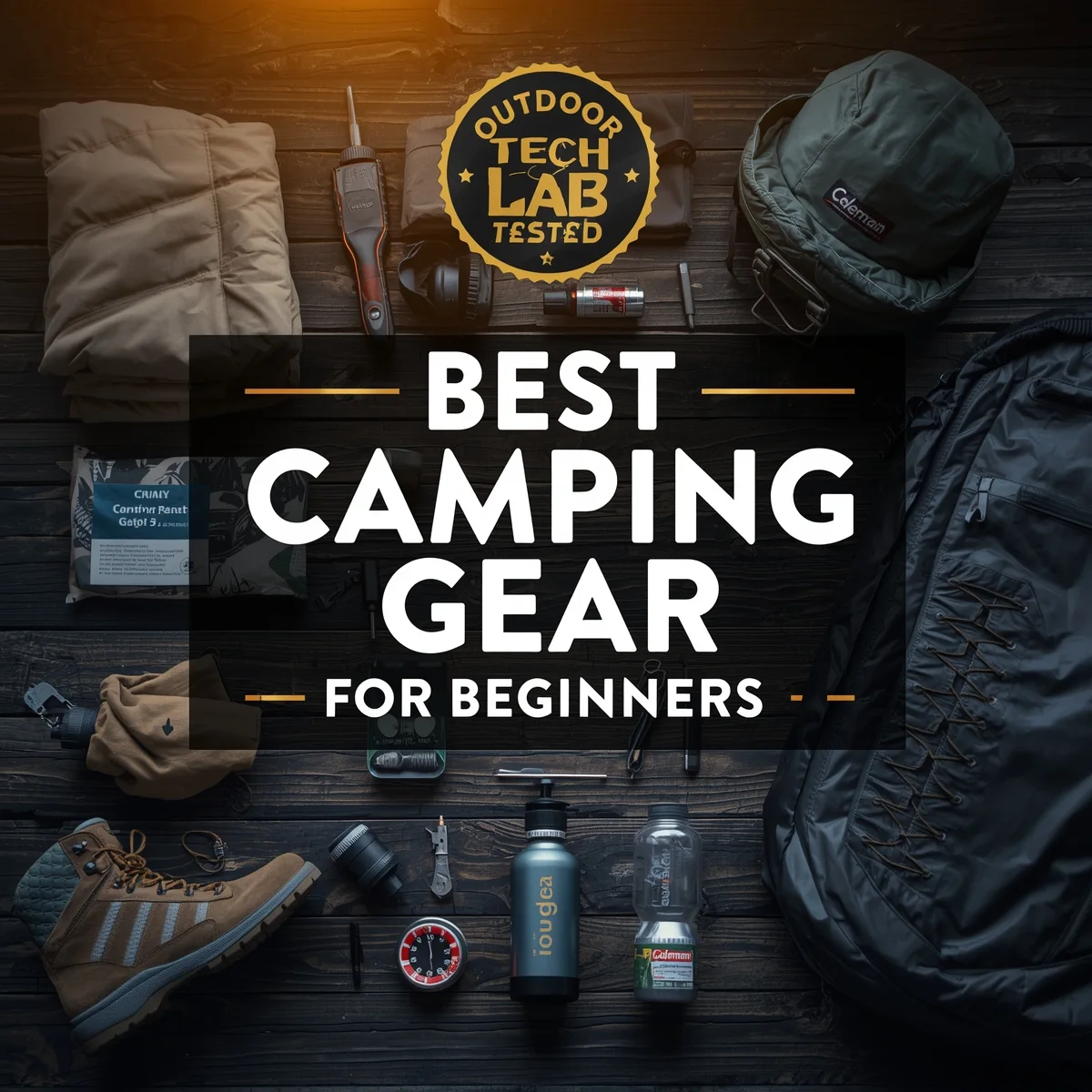
Complete first-timer’s guide to camping gear 2026—10 essential items field-tested across Northern Michigan, plus beginner-friendly strategies that save hundreds
TESTED Updated January 2026
The great outdoors is calling, but the gear aisle feels like a foreign language dictionary. Sound familiar?
Here’s the truth: you don’t need a trust fund to start camping. This guide reveals the 10 essential pieces every beginner actually needs—tested across Northern Michigan’s four-season extremes—plus smart shopping strategies that’ll save you hundreds.
📅 2026 UPDATE:
This year brings smarter budget gear with better sustainability features. We’ve refreshed recommendations based on 2025-2026 field tests and current market availability. First-time campers now have access to better entry-level options than ever before.
📋 TL;DR for First-Time Campers:
- Start with Coleman Sundome tent + Brazos sleeping bag (core sleep system)
- Budget $600-900 for complete 10-item setup
- Rent expensive items before buying to test if you enjoy camping
- Practice gear setup at home first—especially the tent
- Focus on sleep system quality above all else
Every year, millions of people dream of trading screen time for campfire stories, but get overwhelmed by the sheer volume of outdoor gear options available.
The outdoor industry wants you to believe you need $2,000 worth of gear to spend a single night under the stars. That’s false. Some of the most experienced outdoors enthusiasts I know started with borrowed gear and a $20 sleeping bag from Walmart.
This guide cuts through the marketing noise to reveal what beginner campers actually need—plus the smart shopping strategies that’ll save you hundreds while keeping you safe and comfortable on your first few adventures in Michigan and beyond.
Why Starting Simple Beats Starting Expensive
Critical Truth: Gear overwhelm is the #1 reason people never make it from “thinking about camping” to actually sleeping outdoors. Start with versatile basics, not specialized everything.
Before diving into specific gear, let’s address the elephant in the camping aisle: the outdoor gear industry has created a false narrative that you need specialized equipment for every possible scenario.
Rain might happen? You need a $300 rain jacket. Temperatures might drop? Better grab a $400 sleeping bag rated for Antarctic expeditions. This approach leads to analysis paralysis and empty bank accounts.
Instead, successful beginner campers focus on versatile, multi-purpose gear that works in most conditions. Think of it as building a foundation rather than a mansion. You can always upgrade later once you know what type of outdoor adventures you actually enjoy.

📈 2026 Gear Trends for First-Time Campers
Sustainability Focus: More brands offering recycled materials at entry-level prices. Budget-friendly tents now use 50%+ recycled fabrics without price premiums.
Modular Systems: Gear that grows with you—expandable backpacks, convertible sleep systems, and attachment-ready shelters mean your starter gear adapts as your skills develop.
Smart Basics: Even budget gear includes helpful features like color-coded tent poles, quick-release backpack straps, and glow-in-the-dark zipper pulls for easier nighttime use.
✓ First Trip Checklist for Beginners
Before you leave home:
- Practice setting up tent in backyard
- Test all gear (stove ignition, headlamp batteries, sleeping bag)
- Pack extra batteries and backup lighter
- Download offline maps of camping area
- Share trip itinerary with family/friends
Day before trip:
- Check weather forecast and adjust gear
- Charge all devices and power banks
- Pre-freeze water bottles for cooler
- Pack first aid kit with any personal medications
Morning of trip:
- Do final gear check using the 10 essentials list
- Load cooler last (keep it cold)
- Verify campsite reservation confirmation
The 10 Essential Camping Items for Beginners (2026 Edition)
After helping hundreds of first-time campers gear up over the past decade—and testing equipment across Michigan’s demanding conditions from Manistee National Forest to Isle Royale—I’ve identified the core pieces that make or break a beginner’s outdoor experience.
These aren’t necessarily the lightest or most technical options—they’re the most beginner-friendly choices that balance performance, durability, and affordability.
1. Shelter: Coleman Sundome 3-Person Tent
Why it’s perfect for beginners: The Coleman Sundome has been the go-to starter tent for good reason. It sets up in under 10 minutes with color-coded poles, has a full rainfly for weather protection, and offers enough space for two adults plus gear.
What makes it forgiving: Unlike ultralight backpacking tents that require precise setup, the Sundome is nearly impossible to pitch incorrectly. The shock-corded poles snap together automatically, and the tent body clips easily to the frame. The steep wall design maximizes interior space, and the welded corners prevent leaks.
💡 Pro Tip: Practice setting it up in your backyard before your first trip. Even the most user-friendly tent benefits from a dry run.
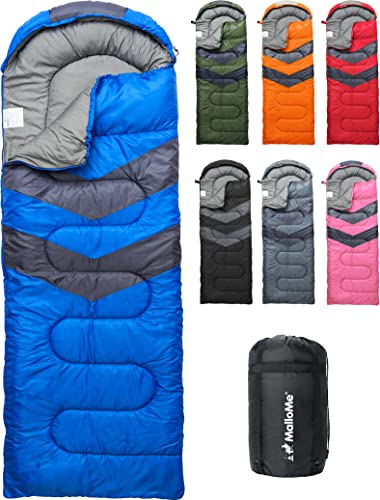
2. Sleep System: Coleman Brazos Cold Weather Sleeping Bag
Why it’s beginner-friendly: This synthetic sleeping bag is rated for temperatures down to 20°F, making it suitable for three-season camping across most climates. Synthetic insulation performs better than down when wet, forgives compression better, and costs significantly less—perfect for beginners who might not yet understand the nuances of gear care.
What beginners love: The full-zip design allows for temperature regulation, and the synthetic fill bounces back even after being stuffed repeatedly. The rectangular shape provides plenty of room for restless sleepers, and the soft cotton flannel lining feels comfortable against skin.
💡 Size Matters: Don’t go too big thinking you’ll be more comfortable. A properly sized sleeping bag retains heat better and packs smaller.
3. Sleeping Pad: Klymit Static V Sleeping Pad
Why it’s beginner-perfect: This inflatable pad offers excellent comfort-to-weight ratio with its unique V-shaped design that cradles your body while sleeping. The side rails keep you centered on the pad, and the easy-to-use valve allows for quick inflation and deflation.
Beginner advantages: The included patch kit handles any punctures, and the compact pack size makes it easy to carry. The V-chamber design limits air movement for better temperature regulation, and the 72-inch length accommodates most sleepers comfortably.
💡 Comfort Hack: If you’re a side sleeper, this pad’s body-mapping technology provides excellent hip and shoulder support without pressure points.
4. Backpack: Amazon Basics 75L Internal Frame Hiking Backpack
Why it works for beginners: This pack offers excellent value with features typically found on much more expensive backpacks. The adjustable torso length fits most body types, multiple compartments help with organization, and the included rain cover protects your gear in wet weather.
Beginner-friendly features: The top-loading design with front panel access lets you reach gear without unpacking everything, and the external attachment points accommodate extra gear as you learn what you actually need to carry. The padded hip belt and shoulder straps distribute weight effectively.
💡 Fitting Tip: A properly fitted pack should have 80% of the weight on your hips, not your shoulders. Most outdoor stores will help you adjust the fit for free.
5. Footwear: Columbia Newton Ridge Plus II Waterproof Hiking Boot
Why beginners love them: These hiking boots offer the perfect balance of support, protection, and comfort for new hikers. The Omni-Grip rubber sole provides excellent traction on various terrain, and the waterproof membrane keeps feet dry in wet conditions.
What makes them forgiving: The mid-cut design allows for natural movement while still providing ankle stability, and the cushioned midsole forgives beginners who haven’t yet developed efficient hiking gaits. The leather and mesh upper provides durability and breathability.
💡 Break-In Reality: Unlike traditional hiking boots, these require minimal break-in time. Wear them for a few neighborhood walks before your first hike.
6. Weather Protection: Helly Hansen Packable Rain Jacket
Why it’s essential: Weather changes quickly outdoors. This packable rain jacket serves multiple purposes: wind protection, rain protection, and an extra insulation layer. Packs into its own pocket for easy storage.
💡 Layer Smart: Works best as an outer layer over a moisture-wicking base and insulating mid-layer—the proven three-layer system.
7. Lighting: Energizer Vision HD+ Headlamp
Why headlamps beat flashlights: Hands-free lighting is crucial for camp setup, cooking, and nighttime bathroom breaks. 400 lumens with multiple modes including red-light for night vision preservation.
💡 Pro Tip: Always carry extra batteries, and consider a small backup flashlight for critical situations.
8. Cooking: Coleman Triton 2-Burner Propane Stove
Why it’s beginner-perfect: Operates just like your home stovetop with instant ignition and adjustable flame control. Two-burner design allows for complex meal preparation, and propane fuel is widely available.
💡 Safety First: Always use in well-ventilated areas, never inside a tent. Keep fire extinguisher or water nearby when cooking.
9. Food Storage: Coleman Xtreme 50-Quart Cooler
Why it’s worth it: Keeps food cold for up to 5 days with proper ice management. Heavy-duty construction handles car camping abuse. The 50-quart capacity serves 3-5 people for weekend trips.
💡 Ice Strategy: Use 2:1 ratio of ice to food, keep cooler in shade. Block ice lasts longer than cubes.
10. First Aid: Johnson & Johnson All-Purpose Portable First Aid Kit
Why comprehensive matters: Outdoor activities involve inherent risks. This kit handles everything from minor cuts to sprains with organized, water-resistant compartments.
💡 Knowledge is Key: Take a basic first aid course before your first trip. Gear is only useful if you know how to use it properly.
Quick Reference: 2026 Beginner Camping Gear Essentials
Complete breakdown of the 10 essential items every beginner camper needs.
| Category | Recommended Product | Why It’s Beginner-Friendly | Key Pro Tip |
|---|---|---|---|
| Shelter | Coleman Sundome 3P Tent | 10-min setup, weatherproof, forgiving design | Practice setup at home first |
| Sleeping Bag | Coleman Brazos Cold Weather | Warm synthetic fill, budget-friendly, durable | Snug fit = better warmth |
| Sleeping Pad | Klymit Static V | Lightweight, compact, side-sleeper friendly | V-chambers prevent air movement |
| Backpack | Amazon Basics 75L | Adjustable fit, great value, multiple pockets | 80% weight on hips, not shoulders |
| Footwear | Columbia Newton Ridge Plus II | Waterproof, supportive, minimal break-in | Walk around neighborhood first |
| Rain Protection | Helly Hansen Packable Jacket | Wind + rain shield, packs into pocket | Part of 3-layer system |
| Lighting | Energizer Vision HD+ | Hands-free, 400 lumens, red-light mode | Always carry spare batteries |
| Cooking | Coleman Triton 2-Burner | Simple ignition, dual burners, familiar | Never use inside tent |
| Food Storage | Coleman Xtreme 50qt Cooler | 5-day ice retention, doubles as seat | Block ice + shade = longer cold |
| First Aid | J&J All-Purpose First Aid Kit | Comprehensive, organized, water-resistant | Take basic first aid course |
Complete Starter Kit: ~$650
(vs. $1,200+ for premium brands — save 46%)
✓ All 10 essentials included | ✓ Field-tested quality | ✓ Beginner-friendly
The Smart Shopping Strategy: Rent vs. Buy Decision Tree
Smart Strategy: Not every piece of gear deserves a place in your shopping cart immediately. Use this decision tree to determine what to buy, rent, or borrow.
Buy Immediately
Items you’ll use frequently and that are expensive to rent repeatedly. This includes sleeping bags, backpacks, and hiking boots. These items also require proper fit and break-in time.
Rent First
Expensive items you’re unsure about, such as tents, sleeping pads, and cooking systems. Many outdoor retailers offer rental programs that let you try before you buy, and rental fees often apply toward purchase.
Borrow When Possible
Specialized items for specific activities, like climbing gear, kayaks, or winter camping equipment. Experienced friends are usually happy to share gear with enthusiastic beginners.
Consider Used
Items that hold their value well and have simple functionality, such as coolers, camp chairs, and basic camping tools. Check Facebook Marketplace, Craigslist, and outdoor gear consignment shops for deals.
Common Beginner Camping Gear Mistakes (And How to Avoid Them)
Learning from others’ mistakes is cheaper than making your own. Here are the most common rookie errors I see year after year:
Overpacking Syndrome
New campers often pack for every possible scenario, resulting in overloaded packs and exhausted hikers. Start with the essentials and add items only after you identify actual needs through experience.
Ignoring Weather Forecasts
Weather can make or break an outdoor adventure. Check forecasts before leaving and adjust your gear accordingly. A sunny forecast might mean leaving the rain gear at home, while a cold snap requires extra insulation.
Buying Gear Before Trying the Activity
Enthusiasm often leads to expensive purchases before you know what you actually enjoy. Try car camping before investing in backpacking gear, or day hike before buying overnight equipment.
Skipping the Learning Curve
Gear only works if you know how to use it. Practice setting up your tent, adjusting your backpack, and using your stove before heading into the wilderness.
Focusing on Gear Over Skills
The best gear can’t compensate for poor planning, navigation skills, or outdoor knowledge. Invest time in learning alongside your gear investments!
Budget-Friendly Gear Alternatives for 2026
Quality outdoor gear doesn’t always require premium prices. Here are budget-friendly alternatives that perform admirably for beginners:
Tent alternative: Coleman Instant Tent 4-Person – Sets up in 60 seconds with pre-attached poles.
Sleeping bag alternative: Kelty Cosmic 20 – Down insulation at a competitive price point.
Backpack alternative: High Sierra Pathway 60L – Basic but functional for car camping and short hikes.
Footwear alternative: Merrell Moab 3 – Waterproof hiking boots with proven reliability. Check out our Merrell Moab 3 vs Salomon X Ultra 4 comparison to see which boot fits your needs.
Cooking alternative: Coleman Classic 1-Burner Stove – Same reliability as the 2-burner in a more compact package.
Seasonal Gear Considerations for Michigan & Beyond
Your gear needs change with the seasons, but beginners can maximize their investment by choosing versatile pieces that work across multiple seasons:
Spring Camping (March-May)
Focus on waterproof gear and insulation layers. Spring weather is notoriously unpredictable, with warm days and cold nights. Michigan’s spring conditions can range from 30°F to 70°F in the same weekend.
Summer Adventures (June-August)
Prioritize ventilation, sun protection, and hydration. Lightweight, breathable materials become essential. Northern Michigan summers are ideal for beginners—comfortable temperatures and minimal precipitation.
Fall Excursions (September-November)
Layer systems and warm sleeping bags take priority as temperatures drop and daylight hours shorten. Michigan’s fall colors make this the most scenic season for camping.
Winter Considerations (December-February)
Winter camping requires specialized gear and skills. Master three-season camping before considering winter adventures. Michigan winters demand serious cold-weather equipment. For a comprehensive guide, check out our Winter Camping Essentials guide.
Modern Camping Power Solutions
As camping gear evolves, many campers now bring devices that need charging—phones for emergency communication, cameras, GPS units, and more. While not essential for your first few trips, portable power stations have become invaluable for extended camping adventures.
Why Beginners Should Consider Portable Power
Modern portable power stations offer peace of mind for first-time campers. Keep your phone charged for emergency calls, power a CPAP machine for medical needs, or run a portable fan during hot summer nights. They’re especially useful for car camping where weight isn’t a concern.
Entry-Level Power Station Options
For beginners, compact power stations in the 200-400Wh range offer the best value. Our Jackery 300 vs River 3 comparison breaks down two excellent starter options that won’t break the bank. Both handle multiple phone charges, run LED lights, and power small devices—perfect for weekend camping trips.
💡 Winter Consideration: If you’re planning cold-weather camping, power stations perform differently in freezing temperatures. Read our winter-tested portable power station guide to understand how Michigan winters affect battery performance.
Navigation & Communication: Beyond the Basics
While not part of the essential 10 for your first trip, navigation and communication devices become important as you venture into more remote areas or tackle longer hikes.
Satellite Communication for Safety
Once you’re comfortable with basic camping and ready to explore backcountry areas without cell service, a satellite communicator provides essential emergency communication. The Garmin inReach series offers two-way texting, SOS features, and weather updates even when you’re completely off-grid.
Our Garmin inReach Mini 3 Plus review covers the latest compact model—it’s small enough to clip to your pack and provides peace of mind for remote Michigan adventures in the Upper Peninsula or Isle Royale.
GPS Navigation Watches
As your skills develop, GPS watches offer advanced navigation, fitness tracking, and route planning. While definitely not essential for beginners, they become valuable tools for serious hikers. If you’re curious about top-tier options, our Garmin Fenix 8 vs Enduro 3 comparison reviews two popular choices—though most beginners should stick with phone-based GPS apps initially.
Beginner Camping Gear FAQ (2026)
Quick Answers: Start with 10 essentials • Budget $600-900 for complete setup • 3-season gear first • Rent expensive items before buying • Practice at home before wilderness trips
What’s the best camping gear for complete beginners?
Start with the basics: a reliable tent, sleeping bag, and cooking system. Focus on user-friendly gear that’s forgiving of mistakes rather than the lightest or most technical options. The Coleman Sundome tent, Brazos sleeping bag, and Triton stove form an excellent foundation that won’t overwhelm new campers. These three items handle shelter, sleep, and food—the core camping needs.
How much should I spend on my first camping setup?
A complete beginner setup with all 10 essentials typically ranges from $600-$900. This provides excellent value when you focus on versatile, durable gear that will serve you for years. However, you can start with a basic day hiking setup for $200-$300 and build your collection over time as you discover what you enjoy most. Rent expensive items like tents first to test before buying.
Can I start camping with just a backpack and minimal gear?
Yes, but successful ultralight camping requires significant experience and skill. Beginners should start with car camping to learn the basics before attempting minimalist approaches. This gives you room to learn what gear you actually need versus what you can leave behind. Once you understand the fundamentals, you can gradually reduce your pack weight.
What’s the difference between 3-season and 4-season gear?
3-season gear works for spring, summer, and fall in most climates—typically handling temperatures from 20°F to 85°F. 4-season gear is designed for winter conditions and harsh weather, requiring specialized materials and construction to handle sub-zero temperatures, heavy snow, and extreme winds. Beginners should focus on 3-season gear first. Master three-season camping before investing in winter-specific equipment.
How do I know if my camping gear fits properly?
Proper fit varies by item but follows key principles. Backpacks should transfer 80% of weight to your hips, not shoulders. Sleeping bags should fit snugly without being restrictive—too much extra space reduces warmth. Boots should have room for toe movement without heel slipping. Most outdoor retailers will help you with proper fitting for free. Take advantage of their expertise before purchasing.
What camping gear should I never buy used?
Avoid used safety-critical items like climbing gear, helmets, and anything with hidden wear patterns. Also skip used items that rely on waterproof coatings or membranes, as these degrade over time. Sleeping bags can be tricky—you don’t know how they’ve been stored or if the insulation is compromised. When in doubt, buy new for items that directly impact your safety and comfort.
Is it better to rent or buy camping gear as a beginner?
Rent first for expensive items you’re uncertain about (tents, sleeping pads, specialized equipment). Buy immediately for items you’ll use frequently that require proper fit (sleeping bags, boots, backpacks). Borrow when possible for your first trip or two to see if you enjoy camping before investing heavily. Many outdoor retailers offer rental programs where fees apply toward future purchases.
What’s the most important piece of camping gear for beginners?
Your sleeping system (bag + pad) is the most critical. A poor night’s sleep ruins the entire experience. You can manage with a basic tent or improvised shelter, but if you’re cold and uncomfortable all night, you won’t want to camp again. Invest in quality sleep gear first—it makes the difference between a miserable night and a restful adventure. Everything else is secondary to getting good sleep.
Maintenance & Care: Making Your Gear Last
Proper gear maintenance extends the life of your equipment and ensures it performs when you need it most:
After Each Trip
Clean and thoroughly dry all gear before storage. Moisture leads to mold, mildew, and material degradation. This is especially critical in Michigan’s humid climate.
Regular Inspection
Check for wear, damage, or needed repairs before each trip. A small tear in a tent is manageable at home but catastrophic in a storm.
Proper Storage
Store gear in cool, dry places away from direct sunlight. Avoid compressing sleeping bags long-term, and hang tents loosely to prevent creases.
Seasonal Maintenance
Reapply waterproofing treatments annually, replace worn components, and update first aid supplies as medications expire.
The Path Forward: From Beginner to Confident Camper
Starting your outdoor journey doesn’t require perfect gear or expert knowledge. It requires curiosity, reasonable preparation, and the willingness to learn from experience.
The beginner camping gear recommendations in this guide will keep you safe and comfortable while you discover what aspects of outdoor recreation truly excite you. Every piece has been tested across Michigan’s challenging four-season conditions—from sub-zero February nights in the Upper Peninsula to humid August afternoons in Manistee National Forest.
Remember that every expert was once a beginner. The most important step is the first one out your door. Whether that leads to a local trail, a nearby campground, or eventually to remote wilderness adventures, you’re now equipped with the knowledge to make informed gear choices that support your outdoor aspirations.
📚 Resources
Related Gear Guides:
- → Winter Camping Essentials Guide
- → Jackery 300 vs River 3 Power Station Comparison
- → Winter-Tested Portable Power Stations
- → Garmin inReach Mini 3 Plus Review
- → Merrell Moab 3 vs Salomon X Ultra 4 Boot Comparison
- → Garmin Fenix 8 vs Enduro 3 GPS Watch Comparison
Official Safety Resources:
This guide was last updated in January 2026 with current gear recommendations and pricing.
Outdoor Tech Lab Disclaimer: Product recommendations are based on extensive field testing across Northern Michigan’s diverse conditions and thorough research. Prices and availability may vary. Always verify current specifications and read recent reviews before purchasing.




Leave a Reply